2023
March
An idea born in Amsterdam
At the launch of the European project LiFi on fires, a first group decides: a response is also needed in Sicily.
Since 2023 we have turned the spotlight on the burned-area register, studied fifteen years of satellite data and built the first Wildfire Observatory in Sicily. Now let's move from ideas to construction sites: municipal land that becomes forest again.
Fire in progress? Call 112, 115 or 1515 immediately — or report the fire out on the Observatory .
How the year of Fenice Verde is distributed
Swipe to the side to see the whole year.
Indicative periods for coast and hills, from our technician Vademecum. In the mountains it is planted at the end of winter.
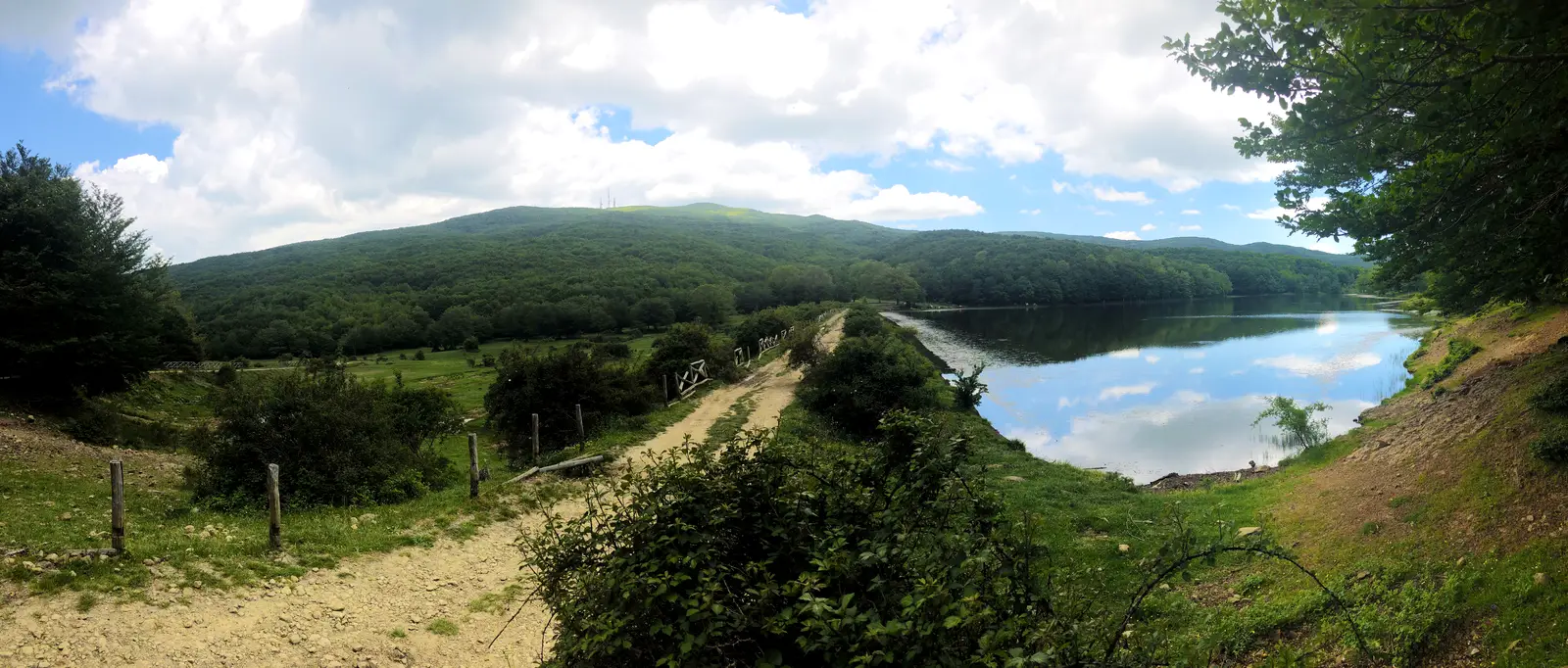
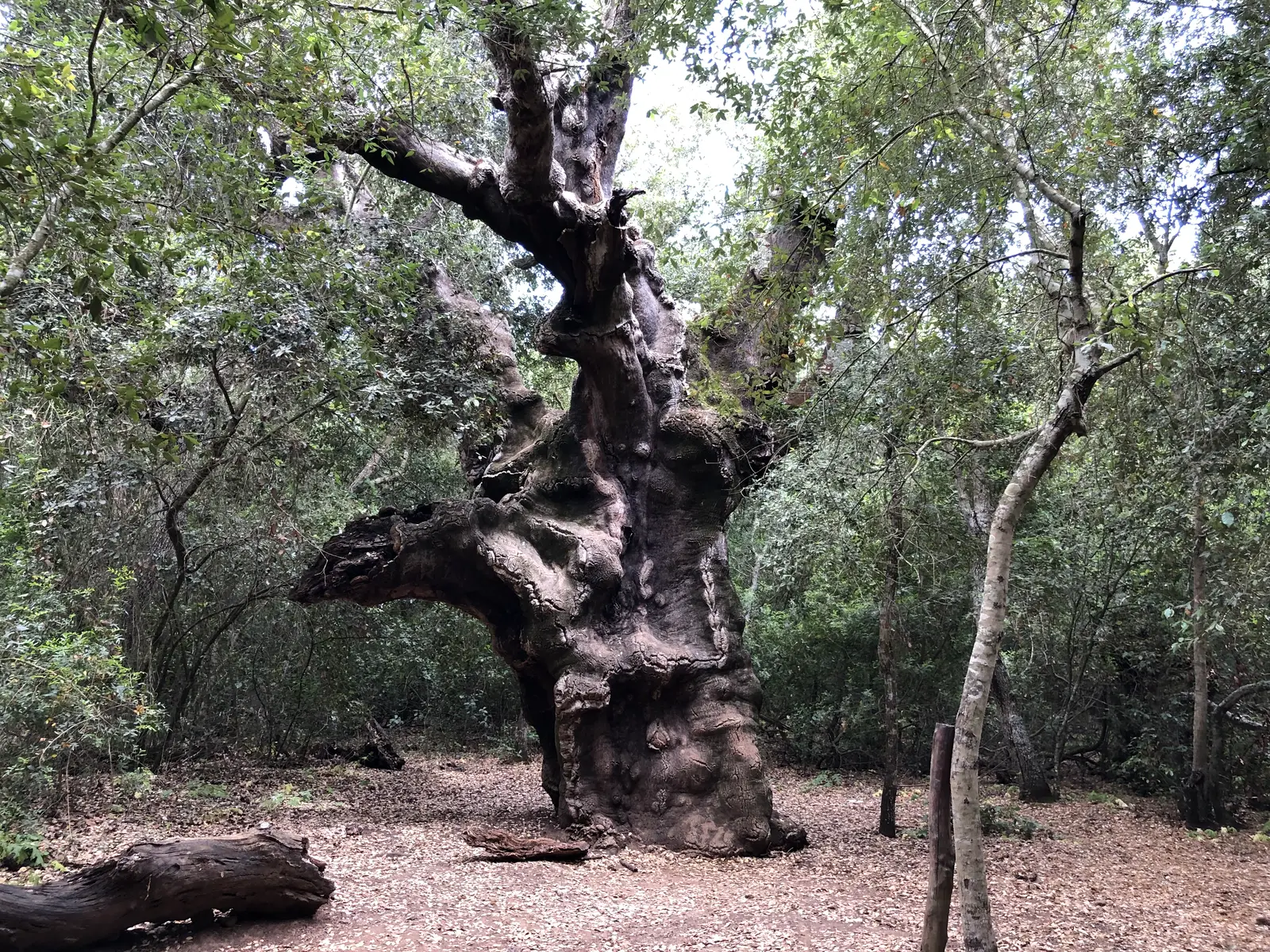
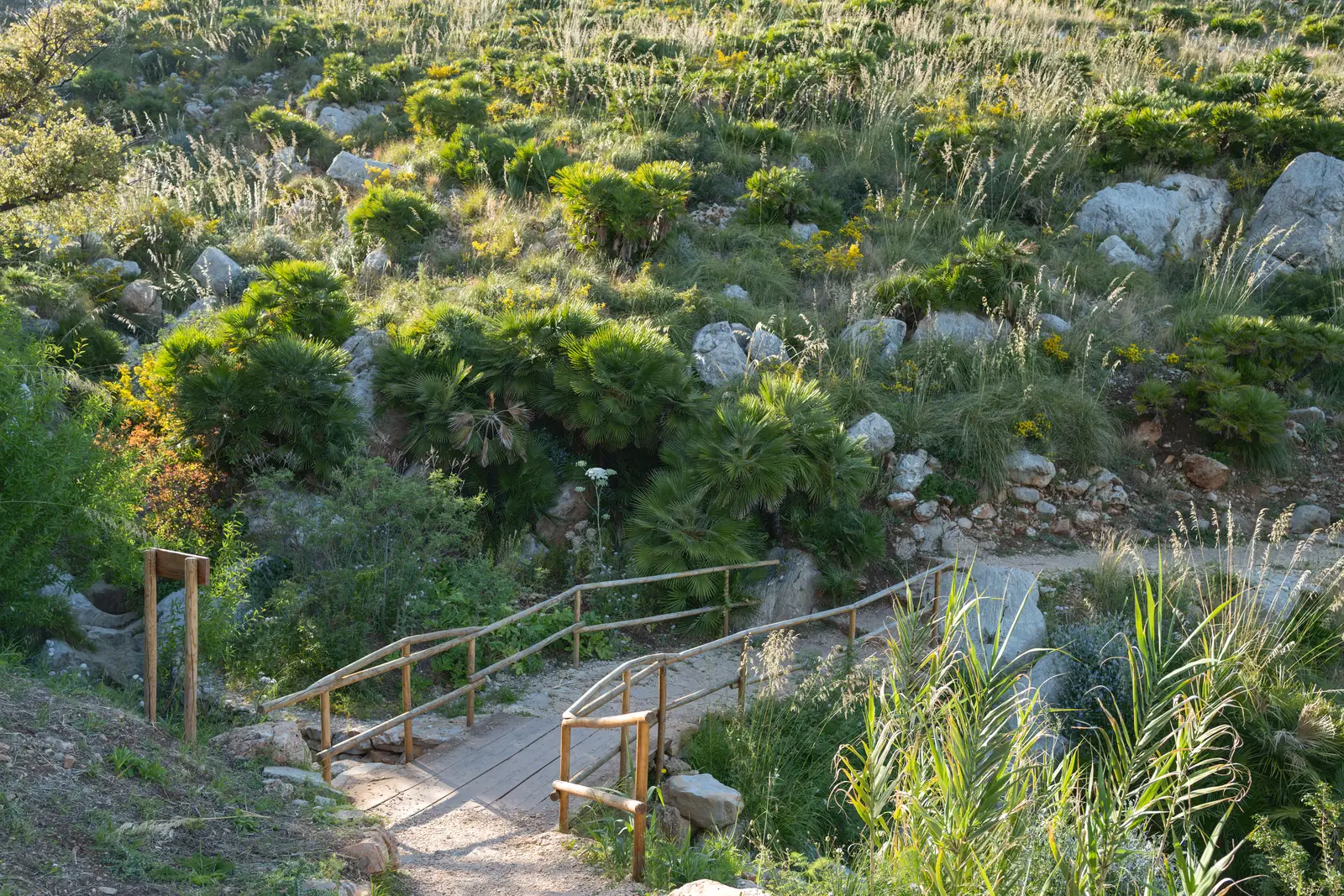
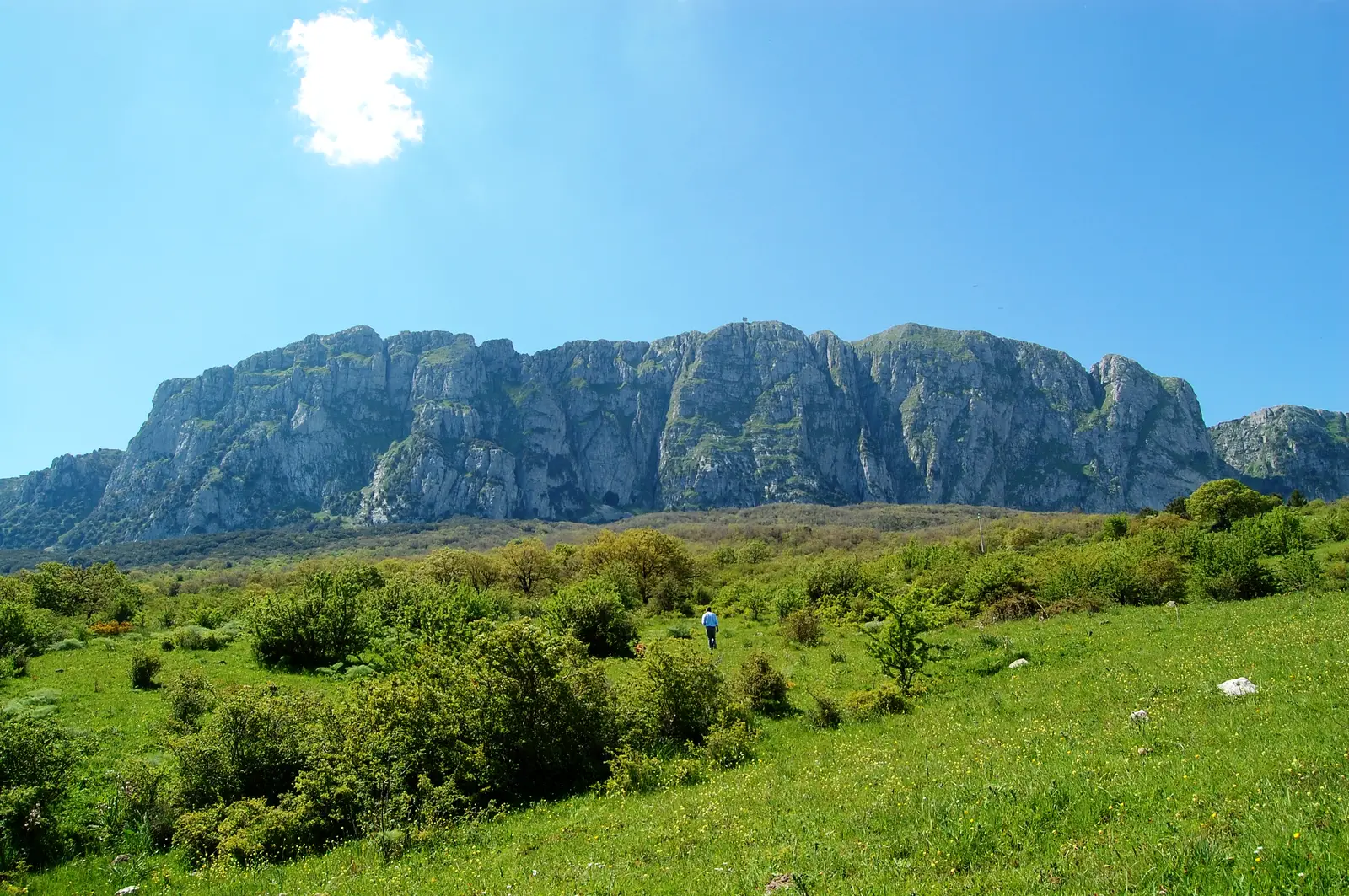
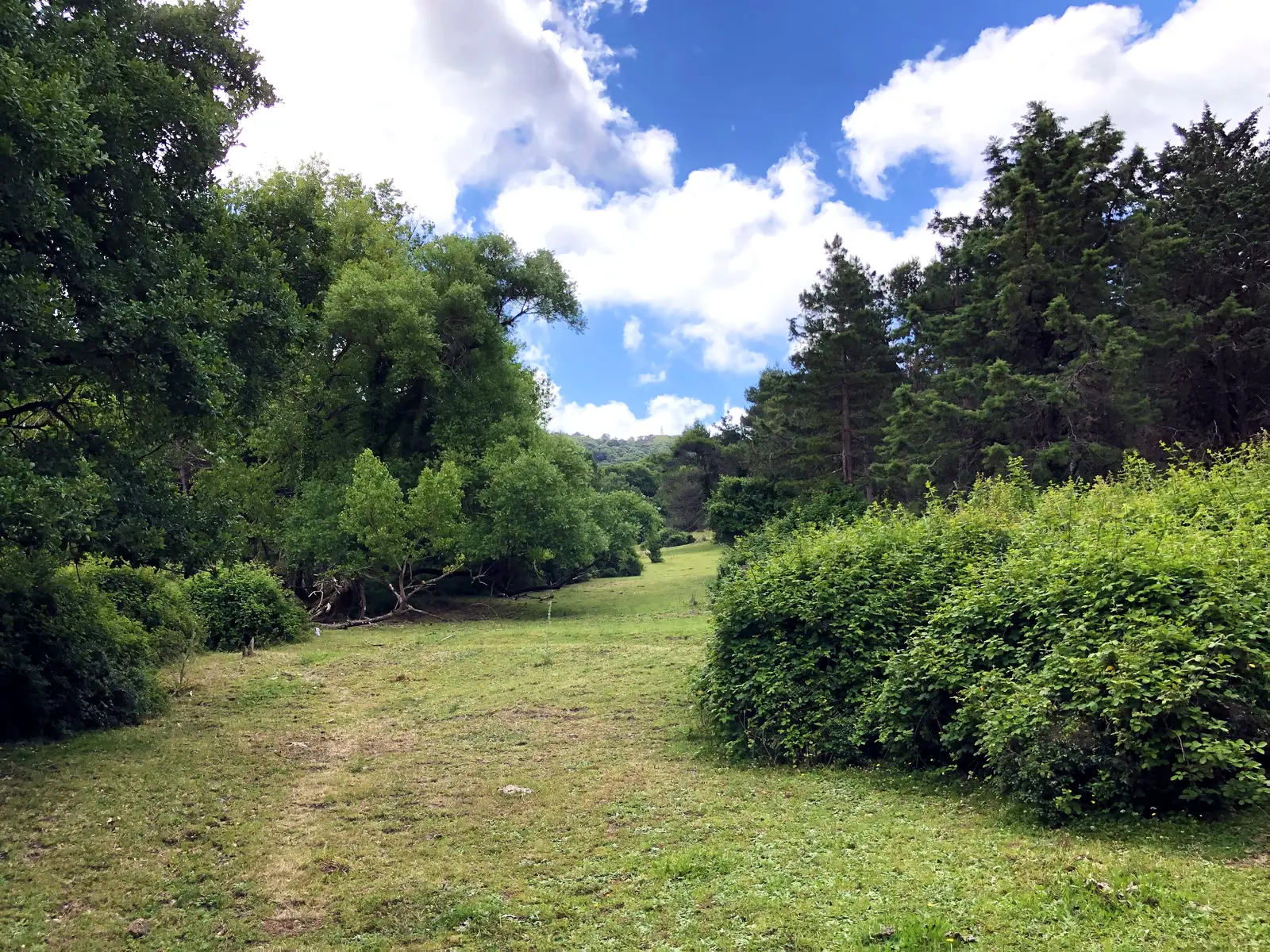
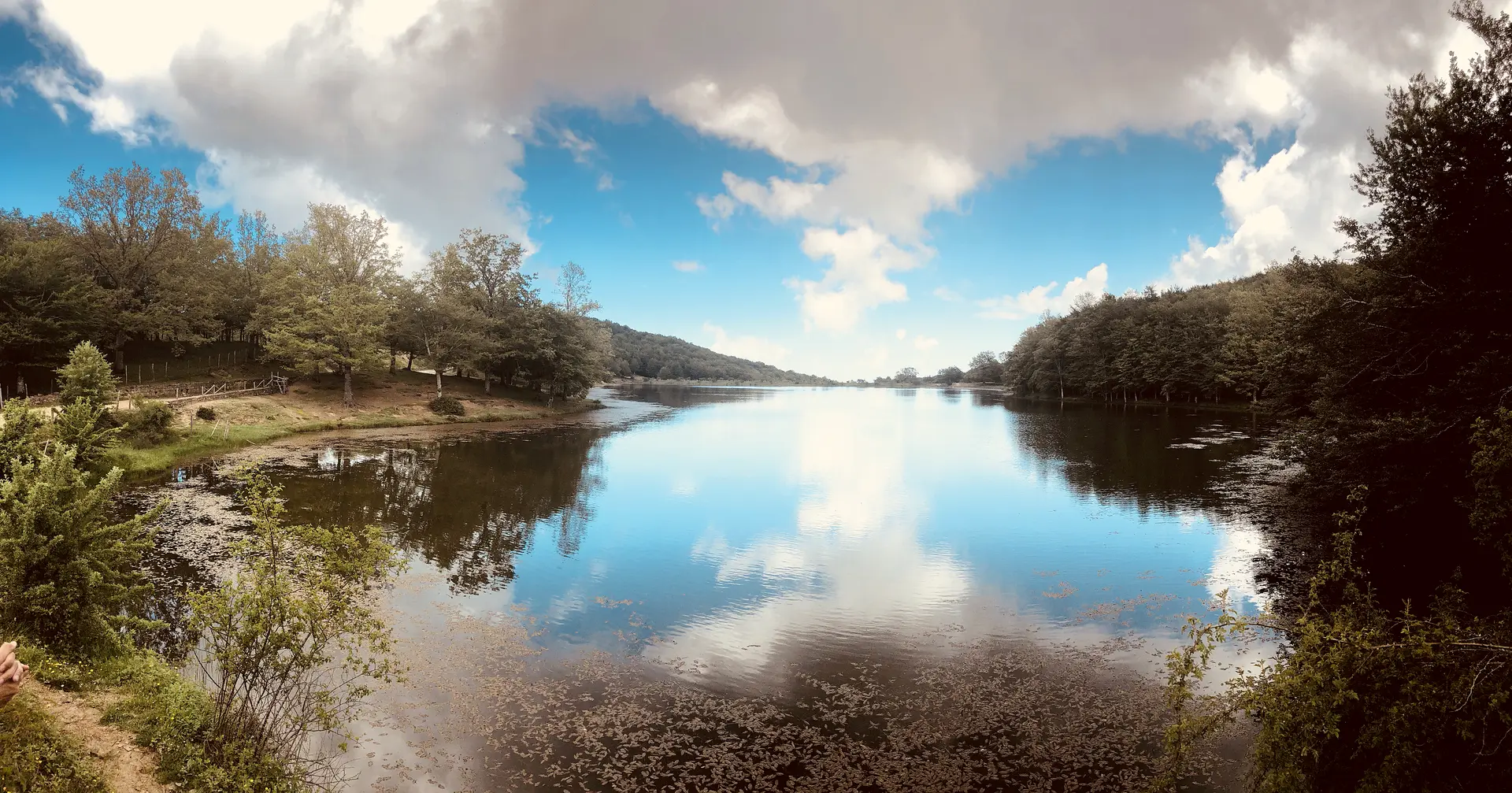
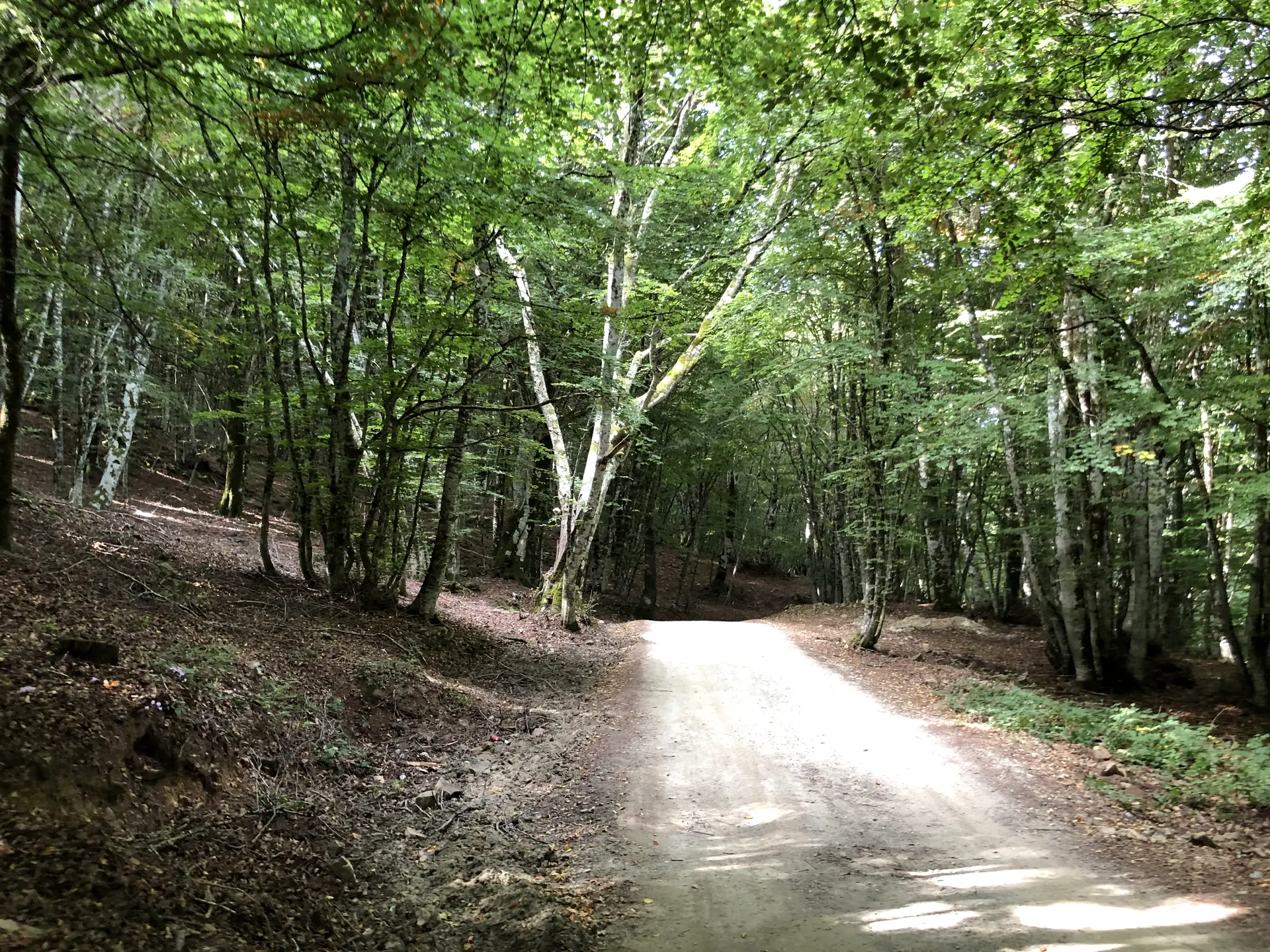
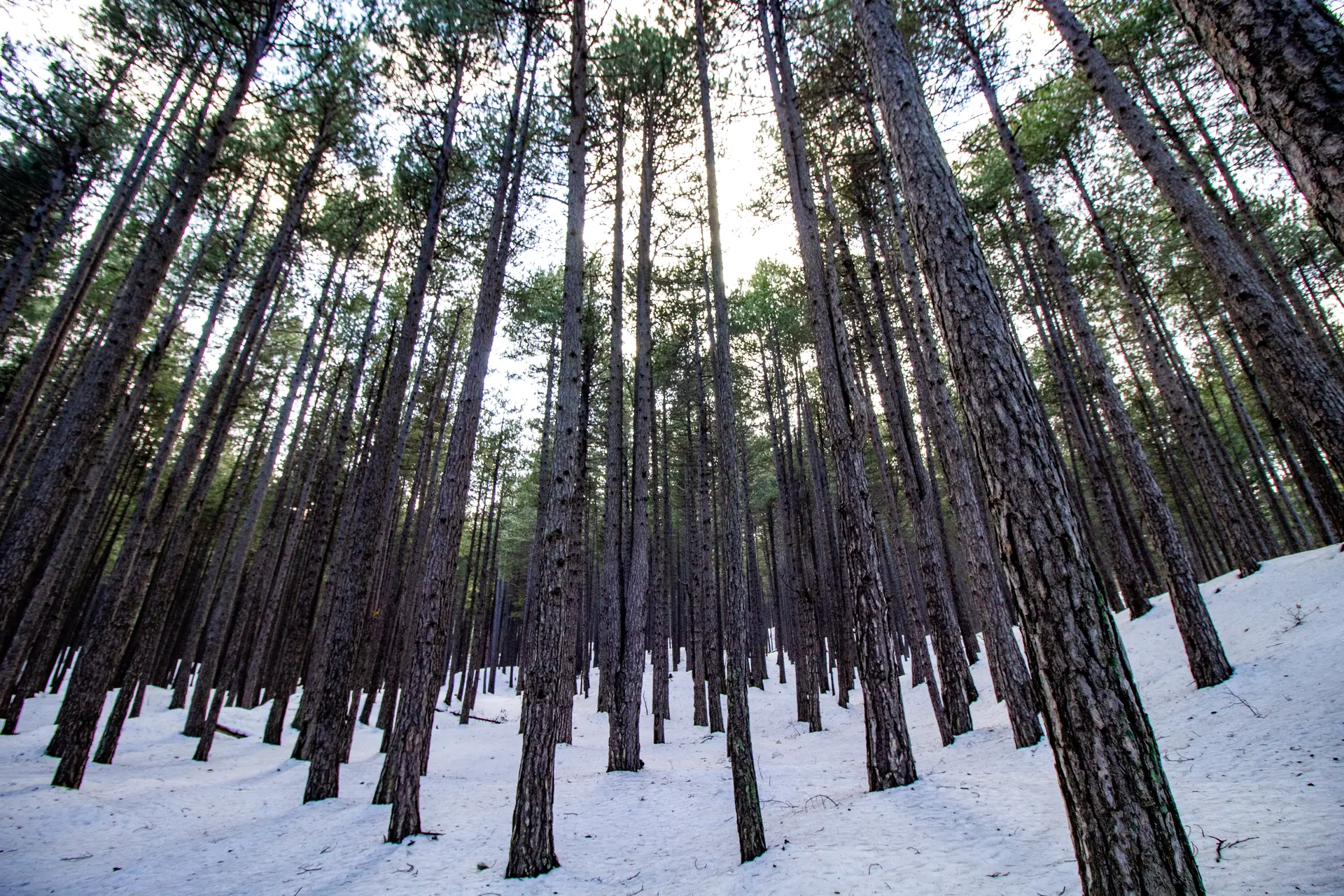
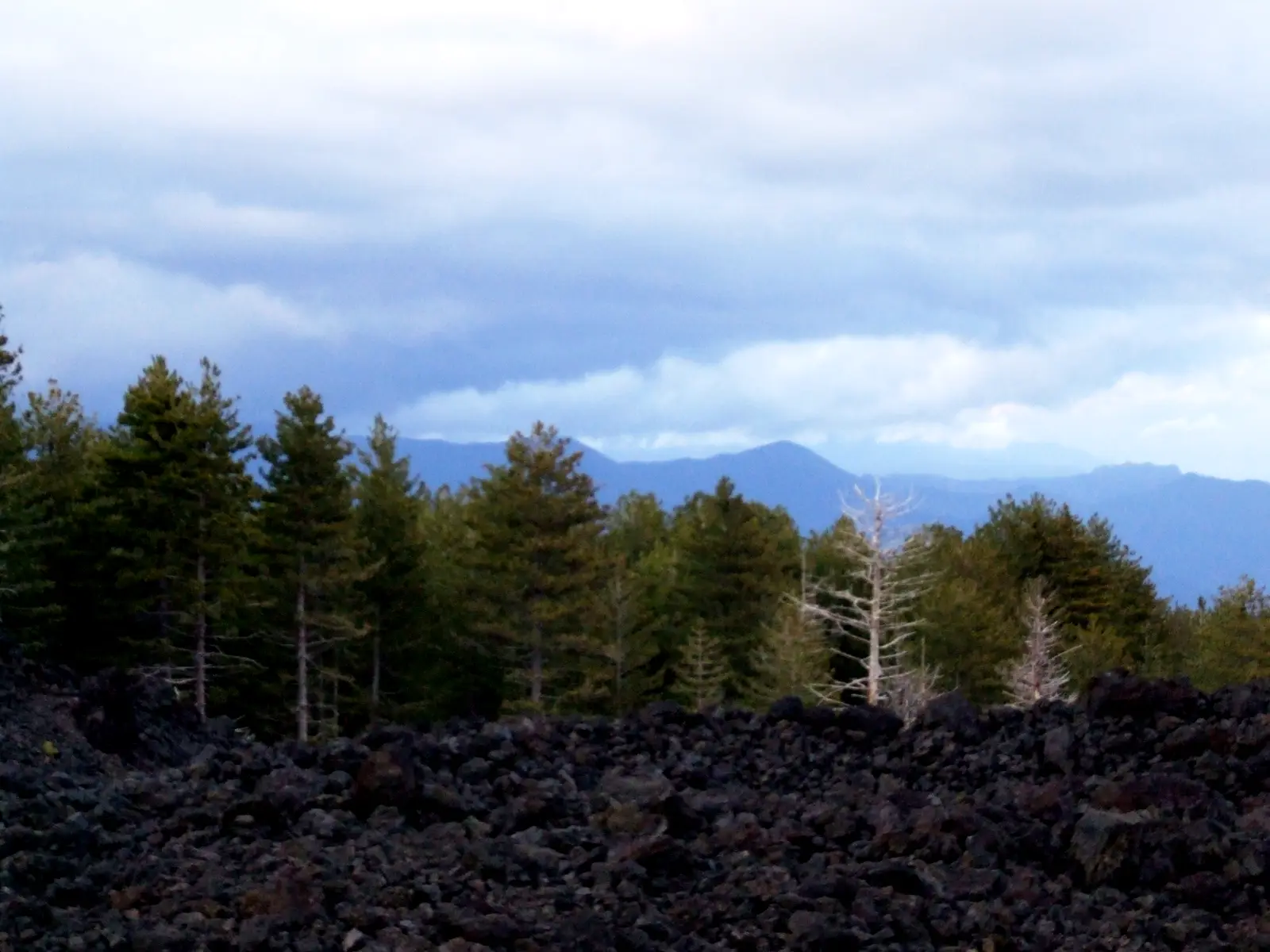
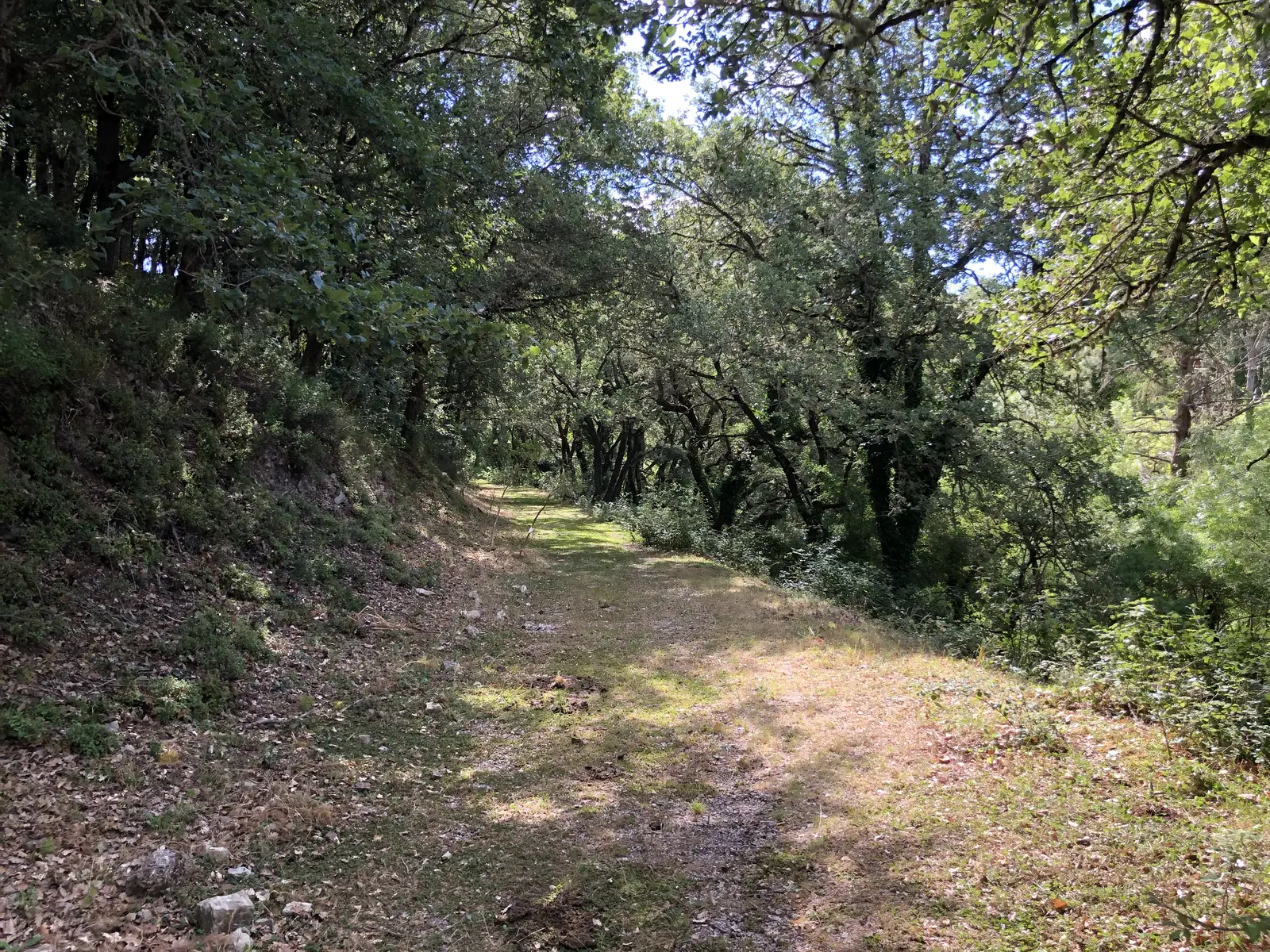
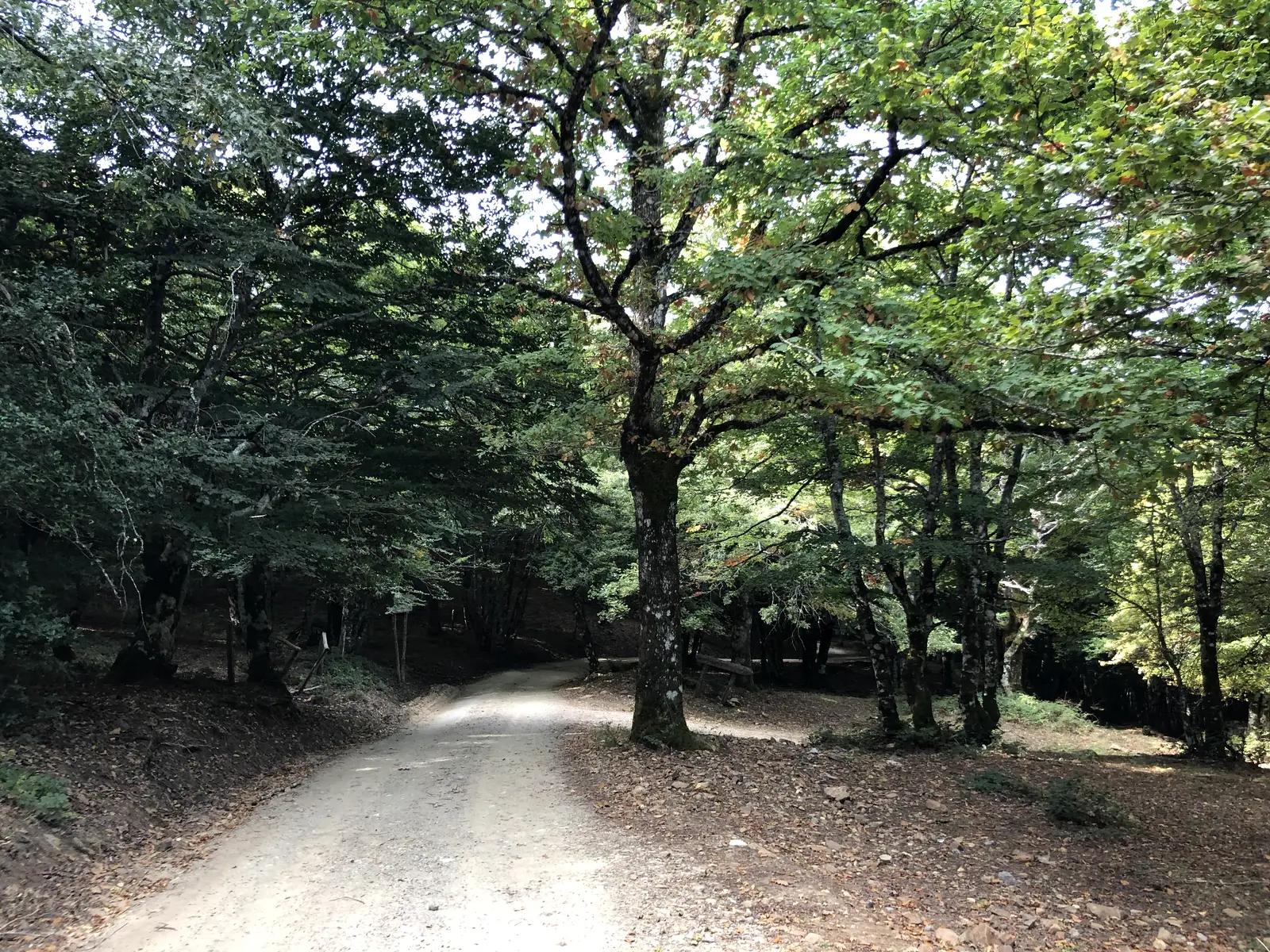
Photo: Lake Maulazzo, Nebrodi — Davide Mauro, CC BY-SA 4.0 · beech forest of the Bosco della Tassita, Nebrodi — Davide Mauro, CC BY-SA 4.0 · Pineta Ragabo, Etna — Giglio Domenico Mirko, CC BY-SA 4.0 (Wikimedia Commons — illustrative image)
Sicilian municipalities placed under commissioners in 2026 for failing to update the burned-area register.
After a fire, the law blocks for years what could make it convenient to set it: no new buildings for ten years, no changes of intended use for fifteen, no grazing or hunting in the burned woods. But the bans are valid only if the Municipality registers the area in burned-area register.
We have been denouncing it since 2024, with data, articles and letters to the Mayors. In 2026 the Region had to place more than a third of Sicilian municipalities under commissionership.
Without a land register, whoever starts the fire knows that the area will remain available.
Source: regional measure appointing ad acta commissioners (2026), reported by Quotidiano di Sicilia.
Photo: pine forest on lava flow, Etna — gnuckx, CC BY 2.0 (Wikimedia Commons — illustrative image)
Radice Verde
Using seeds and plants of local origin to guide the rebirth of burned areas, one stage at a time, from the prairie to the woods: this is the method we have been studying since the early years of the association.
Today, with the framework agreement that we propose to the Municipalities, it becomes Radice Verde: municipal land entrusted for decades, projects signed by qualified technicians, five years of care, public results.
We only publish numbers we can document.
In 2024 we asked Copernicus for Italian data on fires since 2009. The result is a study that we brought to the city council, in the squares and in the newspapers.
We offer them to the Municipalities with a single agreement. The Municipality chooses which ones to activate.
We support the municipal offices in surveying the burnt areas: satellite checks, ordered and geo-referenced citizens' observations, a reporting channel on the Wildfire Observatory.
The burned-area registerWe restore uncultivated or burned municipal land to forest, with native species locally sourced, five years of care and measured and published results.
The program«One Forest, One Future» in schools, the course on fire ecology, field trips where nature is being reborn.
Schools and courses«The superpower of human beings is working together to change the world.» Choose based on the time you have.
€15 per year. You vote in the assembly and you are part of the choices: the fee supports the land registry, Radice Verde and the schools.
Sign upAsk if the burned-area register of your municipality is up to date. The letter is ready: add the name of the Municipality and your signature.
Open the letterSupport the work that cannot be seen: data, support for municipalities, schools, volunteer insurance.
DonateThree other ways to be there - reporting a burnt area, financing a construction site, walking with us - are on the Support page.
Free support for burned-area register, Radice Verde on municipal lands, education in schools. No compensation: voluntary work and, if applicable, reimbursement of documented expenses only.
The proposal to the Municipalities4–6 hour modules for secondary schools, with field trips, citizen science and twinning with European classes.
The path to classesCo-finance a batch of Radice Verde, bring employees to a plant day, support the Observatory. We report by project.
Work with usPhoto: Reserved by Monte Genuardo — Davide Mauro, CC BY-SA 4.0 (Wikimedia Commons — illustrative image)
Home / History
Fenice Verde was born from a few people and from a simple idea: the fires in Sicily are not a fatality, and what has a human cause can be fought.
Photo: beech forest of the Bosco della Tassita, Nebrodi — Davide Mauro, CC BY-SA 4.0 (Wikimedia Commons — illustrative image)
From a conversation in Amsterdam to an agreement with Sicilian municipalities. The path that brought us here.
At the launch of the European project LiFi on fires, a first group decides: a response is also needed in Sicily.
Ecologists, geologists, botanists, zoologists, jurists and communicators in a single association.
We ask Copernicus for the data and discover the "strange Sicily case".
The campaign starts on burned-area register. Repubblica and Quotidiano di Sicilia write about it.
We meet the Third Council Commission and the councilor for environmental policies.
Ten modules, twenty hours, seven teachers including ecologists, geologists, naturalists and jurists.
The first in Sicily, with the Sicily Environment Fund and the patronage of the Region.
A twinning with French technicians: planted trees and fire avenues. The service airs on RAI 3.
With dozens of organizations we call for a coordinated strategy against arson.
Re-founding Congress: Marco Miceli president, a board of five people.
The agreement with the Municipalities and Radice Verde: the municipal lands return to forest.
It all starts from a conversation in Amsterdam, at the launch of LiFi, Living with Wildfires, the research project by Professor Ayşem Mert of Stockholm University on communities that live with large fires. From there it's a short step: an answer was also needed in Sicily.
In March 2023 Emiliano Farinella, Martina Oddo and Giovanni Tarantino begin working on a fire prevention network. Fenice Verde was officially born in September and the group expanded to include skills that still define us today.
The ideas were clear from the beginning: starting from scientific evidence, analyzing the data, collaborating with the institutions to make them more effective, involving the communities already active, leaving to those who come a better Sicily than the one we inherited.
With them, in 2023, they entered:
The year-by-year history is available in Italian only.
2023
Un piccolo gruppo di scienziati e cittadini comincia a studiare il fenomeno degli incendi in Sicilia e a cercare alleati.
Si costituisce l’associazione. Il nome viene dall’uccello che rinasce dalle sue ceneri: è quello che sa fare la natura mediterranea, se le si dà tempo.
PalermoToday scrive di noi. È l’inizio di una presenza costante sui media.
2024
Nella notte tra il 9 e il 10 marzo brucia la montagna sopra Castellammare del Golfo. Raccontiamo il sospetto legato alla raccolta degli asparagi selvatici, e perché la legge vieta per tre anni la raccolta nel sottobosco delle aree bruciate.
Analizziamo i ritardi dei Comuni e lanciamo «Scrivi al Sindaco». Collaboriamo con il Quotidiano di Sicilia sui commissariamenti e ne scrive due volte la Repubblica.
Il nostro studio sui dati satellitari Copernicus dal 2009 al 2024: la Sicilia brucia di più, più spesso e in tutte le stagioni.
Festeggiamo i primi 42 associati. Il 12 settembre incontriamo la Terza Commissione del Consiglio comunale di Palermo, il 5 ottobre l’assessore alle politiche ambientali Piero Alongi.
A San Vito Lo Capo parliamo di catasto incendi alla proiezione di «Terra Nera». A San Mauro Castelverde due giorni di ecoturismo tra gli ulivi delle Madonie. Il 31 ottobre ne scrive Irpimedia, il giorno dopo ne parla Rai Play Sound.
Dieci moduli online, venti ore, sette docenti. A novembre siamo anche all’Università di Palermo con il Dipartimento di Scienze agrarie, alimentari e forestali, e a Bosco Scorace con RIFAI Sicilia.
2025
Nasce il primo osservatorio civico sugli incendi in Sicilia, finanziato dal Sicily Environment Fund, con il patrocinio dell’Assessorato regionale del Territorio e dell’Ambiente e della Protezione civile regionale. Entra nelle reti europee EU-Citizen.Science e CitiObs.
Con Sicily Events e un gruppo di tecnici francesi mettiamo a dimora 200 frassini e prepariamo i viali tagliafuoco. Il servizio va in onda su RAI 3.
All’Incontro regionale per un coordinamento antincendio, associazioni e gruppi da tutta l’isola individuano nell’Osservatorio il proprio punto di riferimento.
Carlentini e San Mauro Castelverde pubblicano i catasti provvisori con cartografia digitale e osservazioni online, con il nostro supporto.
Con Isola Fenice, il Coordinamento Operativo Volontariato e decine di organizzazioni portiamo davanti alla sede del Governo regionale la richiesta di una strategia coordinata contro gli incendi dolosi.
Ai Cantieri Culturali alla Zisa con Legambiente Sicilia e Drin Drin Sicilia, a San Martino delle Scale sulle tracce dell’incendio del 2023, a «Un’anticchia di COP30» con Palma Nana, a Caltagirone con il comitato Dopo il Fuoco.
2026
Il congresso rifondativo elegge Marco Miceli presidente e allarga il Direttivo a cinque persone. Le priorità: citizen science e Osservatorio, una spinta legislativa dall’emergenza alla prevenzione con FireFree, la resilienza dei territori con la riforestazione.
In Valle Gamisia, a San Martino delle Scale, con le guide di Effetto Outdoor: un cammino nella natura che riprende dopo il fuoco.
Proponiamo ai Comuni siciliani una convenzione quadro su catasto, riforestazione ed educazione. Il Comitato Tecnico Scientifico pubblica il Vademecum per la forestazione. Nasce Radice Verde.
We didn't do anything alone. These are some of the companies we have worked with in recent years.
Home / Studies
Before asking the institutions for something, let's measure. Here you will find the analytical work behind our campaigns and projects.
Photo: Bosco di Santo Pietro — Davide Mauro, CC BY-SA 4.0 (Wikimedia Commons — illustrative image)
The European State of the Climate Report 2023 showed something surprising: for the same climate, burned areas follow administrative borders. Portugal and Spain, Sicily and Puglia, Greece and Türkiye. Fire does not depend only on the weather, but on how the territory is governed.
We asked Copernicus for Italian data from 2009 to April 2024 and analyzed it.
Until 2016, satellites monitored only the summer, and do not see fires below 3 hectares. In a fragmented landscape like the Sicilian one, even those destroy entire ecosystems. Our numbers are therefore an underestimate.
In 2024, the Regional Forestry Information System publishes the mapping of burned areas on February 16. The Region communicates this on April 2nd. Our technicians calculate that, by starting immediately, the Municipalities could have updated the land register as early as the beginning of June. In July very few had done so.
Meanwhile, the municipalities that were in default for 2022 were only placed under commissionership in May 2024. With the restrictions not applied, the areas burned the previous year remained without protection right at the beginning of the new fire season.
From this analysis the «Write to the Mayor» campaign was born, the collaboration with the Quotidiano di Sicilia and, today, the offer of free support to the Municipalities.
The study that laid the scientific foundations of Radice Verde: how to guide the rebirth of burnt areas towards resilient ecosystems rich in biodiversity, using seeds, bulbs and cuttings from local populations and respecting the natural order of succession.
The rules with which we design, plant, look after and measure: preliminary investigations, choice of native species for strip and substrate, plants less vulnerable to fire, five years of care, public indicators. It is the technical annex of the agreement with the Municipalities.
National law 353/2000, regional law 16/1996, municipal acts: the three-level framework, the deadlines for the year and the role that citizens can have.
Home / Radice Verde
The program with which Fenice Verde brings the forest back to burnt or abandoned municipal land. It was born from the scientific work of our early years and becomes concrete with the framework agreement that we propose to the Sicilian Municipalities.
Photo: Reserved by Monte Genuardo — Davide Mauro, CC BY-SA 4.0 (Wikimedia Commons — illustrative image)
The Radice Verde method was born from the work of the ecologist Martina Oddo, one of the founders of the association.
Each population of plants has a genetic set adapted to its territory: Sicilian plants cope better with heat and drought than those in the north, those in the Palermo area have adapted to limestone, those in Catania to volcanic soil.
Using non-local plants is like having Dalmatians pull a sled instead of huskies: at first you start, but you don't get far.
After a fire, nature restarts in stages: prairie, garrigue, scrub, forest. The low plants protect and nourish the soil, then come the shrubs, then the trees. We help this sequence, we don't skip it.
Pioneers such as broom remain within the nuclei, away from roads and borders: they enrich the soil, but burn easily.
A resilient ecosystem takes hits. A resilient person, if he goes down, gets back up on his own. This is what we are looking for: forests that know how to recover after a fire.
He who doesn't go to ground is resistant. Those who fall and come back to fight are resilient.
From the Vademecum technician of our Scientific and Technical Committee.
Many Mediterranean species grow back on their own: holm oak, cork oak, mastic tree, strawberry tree. Let's wait at least until the following spring, map out the recovery and plant only where nature can't.
Oaks, ash, carob, wild olive, mastic, myrtle, chosen according to the altitude, soil and climate of the site. No eucalyptus, conifers or invasive species in the new plantings.
Trees in the center and shrubs around: the shrubs shade the young oaks and protect them from animals. The regular rows become continuous streaks of fuel.
Open spaces between the nuclei, low-flammability species on the edges, low biomass strips along roads and borders, access for fire-fighting vehicles.
In Sicily the young plants die mainly of thirst. In the first years we do emergency irrigation in the summer and replace the plants that didn't make it.
Permanent test areas, photos from the same points, public annual report. We do not declare tons of CO₂ unless they are calculated using recognized and verified methods.
With the Municipality: parcels, constraints, history of fires.
Soil, present vegetation, natural regeneration, invasive species.
Signed by a qualified technician, with the opinion of the CTS, approved by the Municipality.
In the rainy season, with volunteers and partners. Georeferenced minutes.
For at least five years, with a record of each intervention.
Annual technical report, published.
We ask the Municipalities for uncultivated, degraded or burned hectares, and we start from a pilot plot of 2–3 hectares. Each batch starts only when we have the resources and volunteers to look after it for five years: we do not leave seedlings to die in the first summer.
We build a network around each area: local associations, scouts, CAI sections, civil protection volunteers, agricultural companies. The planting days are open to citizens, schools and businesses.
We took the first step in Pollina, in May 2025: 200 ash trees and fire avenues, with the French twinning technicians.
Radice Verde is supported on Roots, the platform with which you finance plants and care on construction sites and follow their growth. Foundations, companies and public tenders also contribute.
In areas burned for less than five years, the law prohibits reforestation with public funds, unless authorized. With private resources we can also intervene there, when the project requires it.
Home / Land register and prevention
The burned-area register is the list of areas affected by fire that each Municipality must keep updated. It is a little-known and decisive tool: it makes bans applicable that take away the convenience of those who set fires. It has been our battle since 2024.
Photo: Sughereta di Niscemi fire, 24 July 2025 — Gianfrancodp, CC BY-SA 4.0 (Wikimedia Commons — illustrative image)
The procedural part of this section concerns Italian municipalities, so it is in Italian. In short: in Sicily, land crossed by fire is protected by law for years and every municipality must keep its register of burned areas up to date. We monitor the delays and help municipalities that ask for it. The campaign and the letter to the mayor address Italian mayors, so the rest of the page is in Italian.
Art. 10 della legge 353/2000, modificato dal D.L. 120/2021. In Sicilia lo recepisce l’art. 37 della L.R. 16/1996, che fissa al 31 luglio il termine annuale per aggiornare il catasto.
Il procedimento resta del Comune. Noi rendiamo più rapido e più completo il lavoro degli uffici.
Il Corpo forestale della Regione perimetra l’area bruciata.
Noi: verifica satellitare delle superfici (Copernicus, EFFIS, NASA FIRMS)L’ufficio tecnico associa le superfici alle particelle catastali.
Noi: perimetri in formato GIS pronti per l’ufficioL’elenco resta 30 giorni all’albo pretorio: chiunque può presentare osservazioni.
Noi: osservazioni dei cittadini, ordinate e georiferiteEntro 60 giorni il Comune valuta le osservazioni e definisce i perimetri.
La delibera rende i vincoli opponibili. In Sicilia l’aggiornamento va fatto entro il 31 luglio.
Dal 2021 gli aggiornamenti vanno pubblicati sul sito del Comune appena noti, con applicazione immediata e provvisoria dei vincoli. I nostri dati sono un supporto tecnico: non sostituiscono i rilievi del Corpo forestale.
Il primo osservatorio civico sugli incendi in Sicilia, nato nel 2025 con il Sicily Environment Fund. Unisce le segnalazioni dei cittadini ai dati satellitari e serve a tre cose: non perdere nessuna area bruciata, dare agli uffici comunali dati ordinati, mostrare a tutti come sta il territorio.
Mappa anche le associazioni e i gruppi che si battono contro gli incendi: è il punto di riferimento della rete nata all’Incontro regionale del maggio 2025. Fa parte delle reti europee EU-Citizen.Science e CitiObs.
Apri l’OsservatorioL’Osservatorio non è un numero di emergenza e non sostituisce le autorità.
Nell’estate 2024 abbiamo ricostruito i ritardi dei Comuni sul catasto e lanciato «Scrivi al Sindaco». Il Quotidiano di Sicilia ha raccontato con noi i commissariamenti, la Repubblica ne ha scritto due volte, RAI 3 e Rai Play Sound hanno ripreso il tema.
A settembre e ottobre 2024 lo abbiamo portato alla Terza Commissione del Consiglio comunale di Palermo e all’assessore alle politiche ambientali. Nel 2025 Carlentini e San Mauro Castelverde hanno pubblicato i catasti provvisori con cartografia digitale e osservazioni online, con il nostro supporto.
Oggi offriamo lo stesso supporto a tutti i Comuni siciliani, con una convenzione.
Una lettera di un cittadino ricorda al Comune che il catasto interessa a qualcuno. Copiala, completa le parti tra parentesi e inviala alla PEC del tuo Comune o all’ufficio protocollo.
Sul sito istituzionale, in fondo alla pagina, oppure su indicepa.gov.it cercando il nome del Comune.
Puoi chiedere gli stessi dati con un accesso civico generalizzato: non serve motivarlo e il Comune deve rispondere entro 30 giorni. Se ci scrivi, ti aiutiamo a prepararlo.
Raccogliamo le risposte dei Comuni per capire dove il catasto manca e dove offrire supporto. Inoltra la risposta a info@feniceverde.org.
Home / Training
From middle school classes to hiking guides: for three years we have been bringing fire ecology to those who can change things, and then we go out to look where nature is being reborn.
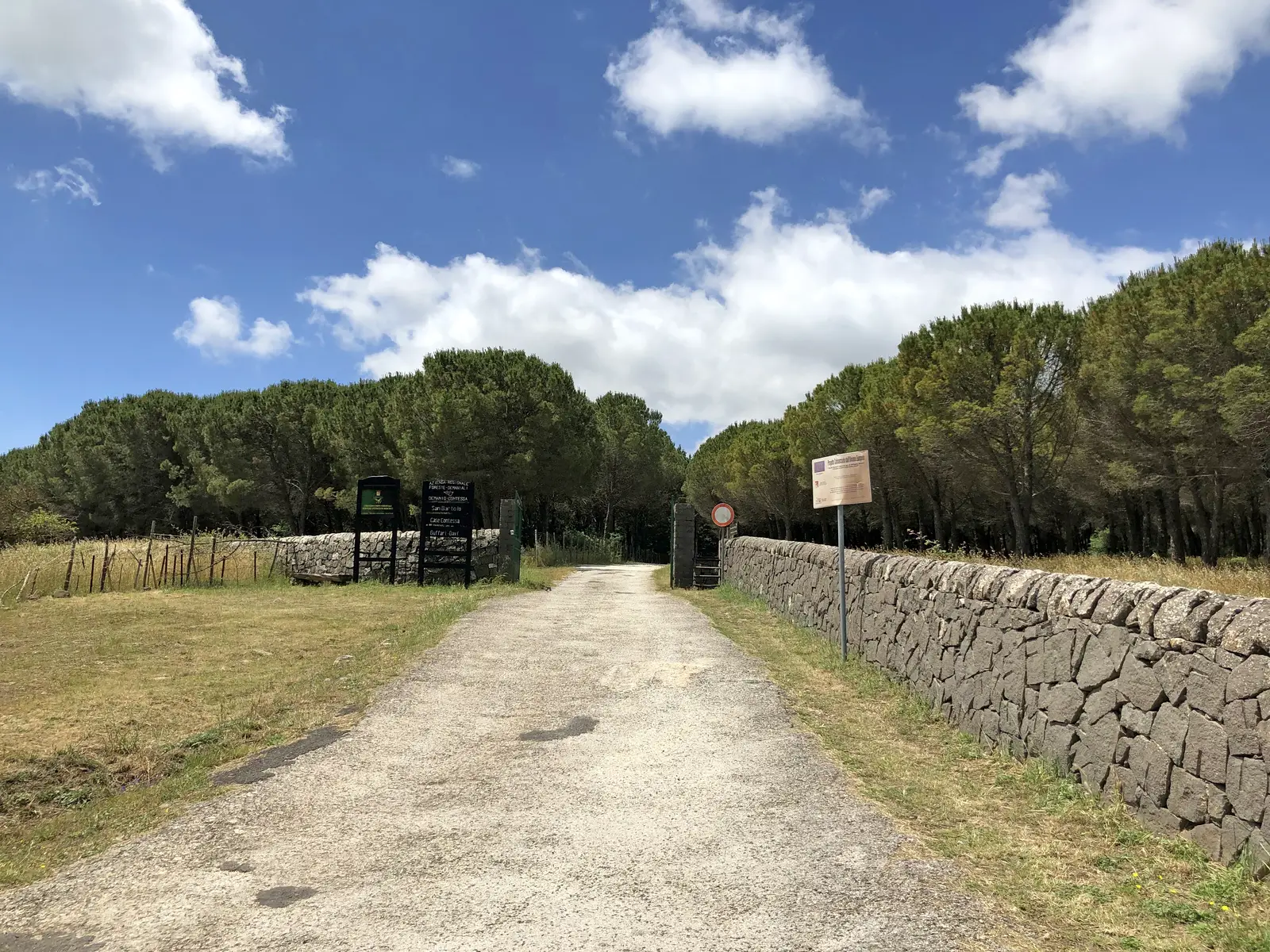
Photo: Bosco della Contessa, Etna — Davide Mauro, CC BY-SA 4.0 (Wikimedia Commons — illustrative image)
The path for first and second level secondary schools. Six autonomous modules of 4–6 hours, linked to civic education, with field trips, citizen science and digital twinning with European classes.
Where Radice Verde is active, the municipal area becomes an outdoor classroom: a class can adopt it and follow it over the years. The materials are published under the CC BY 4.0 open license.
First edition: November and December 2024. Ten online modules, twenty hours, a final presentation based on an excursion project. Created for certified hiking guides, then open to enthusiasts and the curious.
For a group of guides, an association or a body: write to us and we will build the calendar together.
Our excursions take you to see up close what a fire does and how nature recovers. Always with certified guides, for groups, families and schools.
Tailor-made outings with guides from FederEscursionismo Sicilia: the Bosco della Ficuzza, the sources of Sant'Elia in Aglisotto, the Capo Rama reserve with the Palazzo d'Aumale museum in Terrasini.
Home / For Municipalities
After two years of campaign on the land registry and two pilot municipalities, we propose to the Sicilian municipalities a collaboration in shared administration on the land registry of the areas affected by fire, reforestation of municipal lands with Radice Verde and environmental education. The Municipality chooses which lines to activate, even at different times.
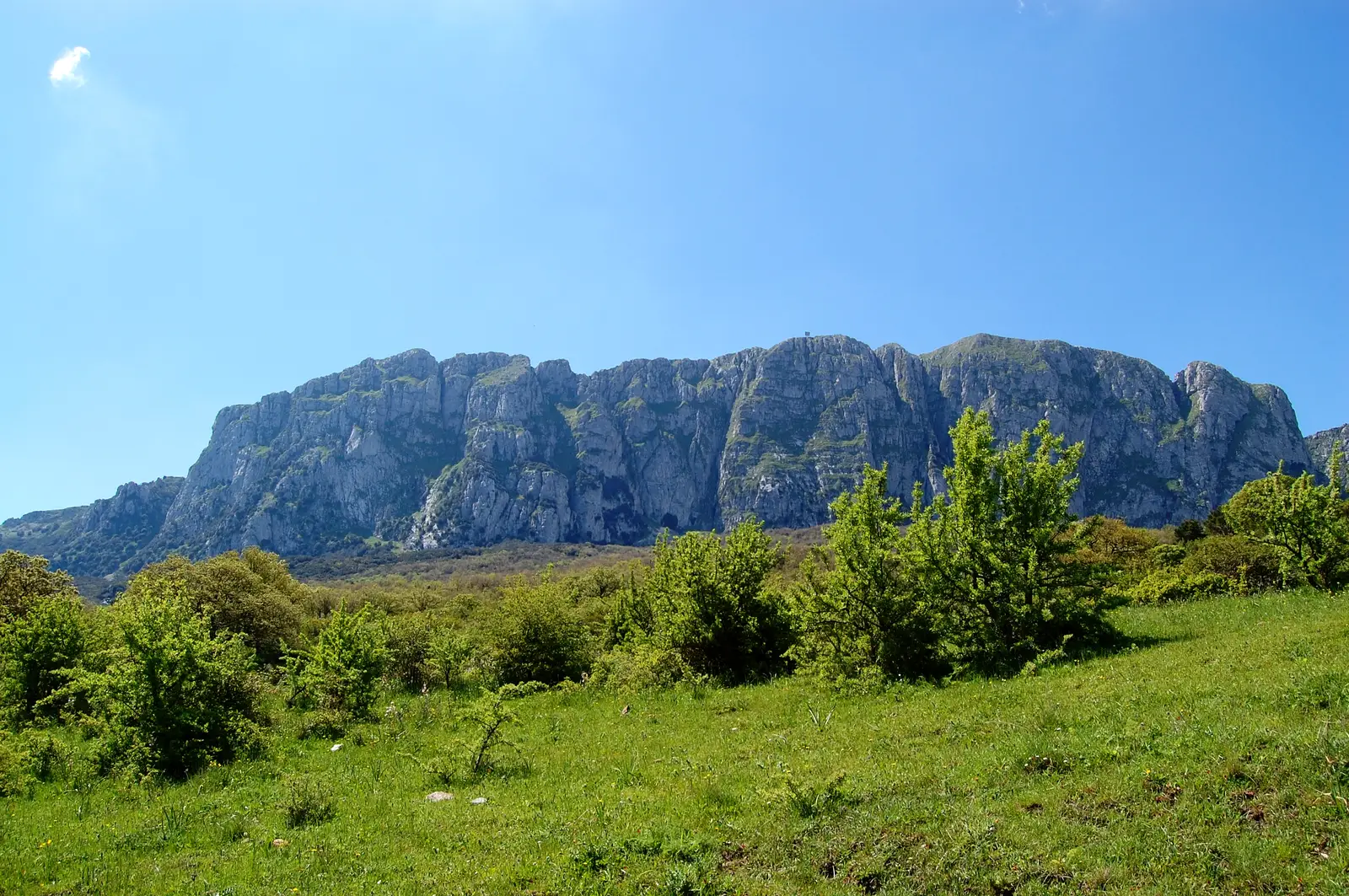
Photo: Rocca Busambra, Ficuzza Reserve — tato Grasso, CC BY-SA 3.0 (Wikimedia Commons — illustrative image)
This section addresses Sicilian municipalities only and is available in Italian only.
Supporto tecnico e civico all’ufficio comunale: verifica indipendente delle superfici con dati satellitari, osservazioni dei cittadini ordinate e georiferite nei 30 giorni di pubblicazione, un canale di segnalazione dedicato al Comune sull’Osservatorio, perimetri in formato GIS quando disponibili.
Ettari comunali incolti, degradati o bruciati, affidati in comodato d’uso gratuito o in concessione, lotto per lotto. Progetto firmato da un tecnico abilitato, specie autoctone certificate, cinque anni di cure, monitoraggio pubblico.
Il progetto «Un Solo Bosco, Un Solo Futuro» nelle scuole del territorio, con uscite sul campo e incontri pubblici. Dove è attiva la Linea 2, le aree comunali diventano un laboratorio all’aperto.
La convenzione si fonda sull’art. 118 della Costituzione e sul Codice del Terzo settore (artt. 55, 56 e 71). Non è un appalto e non sostituisce i compiti del Comune: li affianca.
Una PEC con il nome di un referente comunale.
45 minuti con Sindaco e uffici: demo dell’Osservatorio e prime aree candidate.
Scelta delle linee, verifica delle particelle, delibera di Giunta.
Catasto dal ciclo successivo, prima stagione di impianto, adesione delle scuole.
Referente per i Comuni: Marco Miceli, presidente. marco.miceli@feniceverde.org, +39 346 236 8383
Home / How it works
Fenice Verde works with two platforms. Each has a specific task and different sources of support. So you always know what your contribution is for.
Photo: Lago Maulazzo, Nebrodi — Davide Mauro, CC BY-SA 4.0 (Wikimedia Commons — illustrative image)
The data
It collects citizens' reports, cross-references them with satellite data, and helps municipalities keep the land registry updated. Develops digital projects with research and design entities in Italy and Europe.
Who supports it: Sicily Environment Fund, European research and citizen science projects and networks (EU-Citizen.Science, CitiObs).
Open the Observatory ↗The people, the land, the method
Signs the agreements with the Municipalities and obtains the land on loan or concession. With Radice Verde it coordinates volunteers, Scientific and Technical Committee and partner associations who reforest with us. Bring the project to schools.
Who supports it: members, donors, foundations, regional and national calls.
Support the associationResources for planting
Raises funds on a Radice Verde basis, tree by tree and yard by yard, with public species, location and growth data.
Who supports it: private individuals, companies, foundations, public tenders including those of the Sicilian Region.
Go to Roots ↗Fenice Verde brings together people, municipalities and method. The Wildfire Observatory collects the data. Roots gathers resources for Radice Verde. Everyone does one thing, and does it completely.
| If you | Goes to | It is used for |
|---|---|---|
| You pay the membership fee | Fenice Verde APS | Life of the association, volunteer insurance, coordination |
| Donations to the association | Fenice Verde APS | Support to Municipalities on land registry, schools, materials, field days |
| You finance a tree or a hectare | The yard you choose, via Roots | Certified seedlings, planting, care for five years, monitoring |
| You are a foundation or an entity | The agreed project | Reported separately, as required by our agreements |
Home / Support
«The superpower of human beings is working together to change the world.» There are more ways to support us and they serve different purposes: we tell you clearly, so you choose.
Photo: Sughereta di Niscemi — Davide Mauro, CC BY-SA 4.0 (Wikimedia Commons — illustrative image)
Tax benefits apply only to people who pay taxes in Italy. The membership form asks for an Italian tax code (codice fiscale): if you do not have one, write to info@feniceverde.org and we will complete your registration by hand.
The members are the association: they vote in the assembly, elect the bodies, decide the priorities. The more we are, the more we weigh when we talk to the Municipalities and the Region.
Share the goals and support the association.
The fee is valid for the calendar year and is renewed by January 31st.
These are the data from the shareholders' register: name, tax code, municipality, date of birth. A few minutes.
€15, for the current calendar year. On the secure page of Stripe by card, or by bank transfer.
As soon as the payment is registered, you enter the membership register and receive confirmation via email. The card does not pass through the Board of Directors.
Donations to Fenice Verde finance the work that makes everything else possible: support for the Municipalities with the land register, Observatory, schools, volunteer insurance, tools for the days in the field.
A monthly donation, even a small one, allows us to plan the summer care of the new woods.
You pay on the secure Stripe page, by card. We do not enter or store card details on this site.
Amount: €50 · one-off · purpose: association activity.
Before paying, read the privacy policy: the payment is processed by Stripe, we receive the amount, date, outcome and the confirmation email. The confirmation via email is not a tax document: the certification of the donation can be requested from info@feniceverde.org.
Donations to Fenice Verde, Italian non-profit association registered with RUNTS, are deductible or deductible according to art. 83 of the Third Sector Code, if done with traceable means. For the receipt write to info@feniceverde.org.
The Fenice Verde reforestation program is supported by Roots. Choose the yard and the species, give a tree as a gift or adopt a hectare: receive the location of the plant and updates on its growth.
Volunteering is a path in itself: you apply, we contact you and together we understand where you are useful. We need different hands and skills, even a few hours a month.
The application is free and does not require membership to the association: fill out the form, we will contact you. If the register of volunteers and insurance coverage are needed for a field trip, we will explain it to you in the answer.
«The superpower of human beings is working together to change the world.» Choose based on the time you have.
With the fire out, indicate on the Observatory where the fire occurred, with a photo and the date.
Report to the ObservatoryOn Roots choose the yard and follow your plant: species, location, care and growth data.
Go to RootsExcursions where nature is being reborn and planting days from November to February. We announce them in the newsletter.
Notify meWe are looking for partners who want to link their name to results measured in the Sicilian territory, not to promises. We report each resource received for a project separately.
All donations arrive in accounts registered in Fenice Verde APS. The financial statements approved by the assembly and the annual reports of the construction sites are public.
Home / Who we are
Fenice Verde is a Italian non-profit association registered in the single national register of the Third Sector. Born in Palermo in September 2023 and works throughout Sicily, with insured volunteers and a Scientific and Technical Committee which guarantees the rigor of choices. We are Sicilian, and we transform the hope of rebirth of our nature into action.
Photo: Zingaro Reserve — Giorgio Galeotti, CC BY-SA 4.0 (Wikimedia Commons — illustrative image)
We were born from a conversation in Amsterdam, at the launch of the European research project LiFi on fires, and from a group of scientists and citizens who no longer wanted to resign themselves to the burning summer.
In three years we have studied fifteen years of satellite data, brought the burned-area register to newspapers and institutions, built the first Wildfire Observatory in Sicily, trained guides and students. In April 2026 the congress elected Marco Miceli president and opened the Fenice Verde 2.0 phase.
On 11 April 2026 the members' congress elected Marco Miceli president and expanded the Board of Directors to five people. The objective is a guide that is closer to the territories, capable of transforming the work done into stable results.
We thank Emiliano Farinella, founding president, and all the people who built the first three years of the association.
«I take up this role with a deep sense of responsibility and with the awareness of how precious the work carried out to date by those who preceded me and by our entire community is.»
Marco Miceli, president of Fenice Verde
Each intervention follows the same sequence. Those who support us know where their contribution lies.
Burnt areas, municipal land registry, citizen reports: before acting, let's look at what happened and where.
A shared administration agreement: the Municipality remains the owner of the documents, we bring volunteer work and skills.
The Scientific and Technical Committee gives the opinion, an agricultural or forestry doctor signs the project, the offices approve it.
Volunteers, local associations, schools and local businesses: each area has a network around it that takes care of it.
Verifiable indicators, public annual report, even when results are below expectations.
These are the purposes of our statute. Here you will find what they mean in practice.
We make restrictions on burned areas applicable, helping municipalities to update the land register and citizens to report.
CadastreWith Radice Verde we bring the forest back to uncultivated or burned municipal land, with native species and five years of care.
Radice VerdeWe bring the ecology of fire to schools and hiking guides, and transform reforested areas into outdoor classrooms.
TrainingWe design forests that withstand a drier climate: species adapted to drought, systems that cut off fuel.
The rulesWe build local networks that last: associations, scouts, civil protection, pro loco and agricultural companies around each area.
The networks
| Role | Chi |
|---|---|
| Free patronage | Regional Department of Territory and Environment; Presidency of the Sicilian Region, Department of Civil Protection |
| Support and partners | Sicily Environment Fund, which finances Wildfire Observatory; INSFO PC, civil protection operational training; COV Sicilia, coordination of volunteering |
| Pilot municipalities 2025 | Carlentini (SR) and San Mauro Castelverde (PA): provisional land registers published with digital cartography and online observations |
| European networks | EU-Citizen.Science; CitiObs, the European network of civic observatories |
| Networks in Sicily | Sicilian Coordination Against Fires; Isola Fenice, Permanent observatory on environmental disasters; the associations of the regional meeting of May 2025 |
Home / News
What we do, what we discover in the data, where you find us. From 2023 to today.
Photo: Rocca Busambra, Ficuzza Reserve — tato Grasso, CC BY-SA 3.0 (Wikimedia Commons — illustrative image)
News and press review are in Italian: the articles we quote are in Italian.
Tredici servizi e articoli in tre anni. Grazie ai giornalisti che hanno amplificato i nostri appelli.
Home / Contacts
We usually respond within a few days. We are volunteers: if we are late, write to us again.
Photo: Reserved by Monte Genuardo — Davide Mauro, CC BY-SA 4.0 (Wikimedia Commons — illustrative image)
For legal purposes, the Italian version of this page prevails.
Call 112, 115 or 1515 immediately. Then, with the fire off, you can mark the area on the Wildfire Observatory.
The data controller is Fenice Verde APS, Via Leonardo da Vinci 412, 90135 Palermo, C.F. 97378070821 — info@feniceverde.org.
What data and why. We only use the data needed for each module:
To whom they are communicated. To those who provide us with technical services, on our behalf and with limited access: Stripe Payments Europe for card payments, the association's email provider for confirmations, Vercel for hosting the site and, when active, Microsoft 365 for the reserved membership archive. We do not pass the data on to third parties for marketing purposes.
Conservation. Members' data for the duration of the associative relationship and for the terms established by legal obligations; applications not accepted for the time necessary to evaluate and protect rights; donations for the period required by accounting and tax obligations; the newsletter until revocation.
Your rights. You can request access, rectification, cancellation, limitation, opposition and portability (articles 15-22 GDPR) by writing to info@feniceverde.org. If the answer does not satisfy you, you can contact the Guarantor for the protection of personal data.
We do not use automated decision-making processes to evaluate people: with card payment, registration is immediate, as required by the form, and the data is only used for the membership register. With the bank transfer, the registration is done by the Board. The retention times indicated above are our practice: for tax and association profiles, also refer to the opinion of the association's consultant.
Statute and Internal regulations (on request)
Statute, internal regulation, technical handbook, agreement outline and proposal to the Municipalities are sent upon request. Fill out the form: the request will arrive at info@feniceverde.org and we will reply via email.
Name, institution, email and document. If automatic sending is not configured, the form tells you and shows you the address to write to: no request is considered sent without being sent.